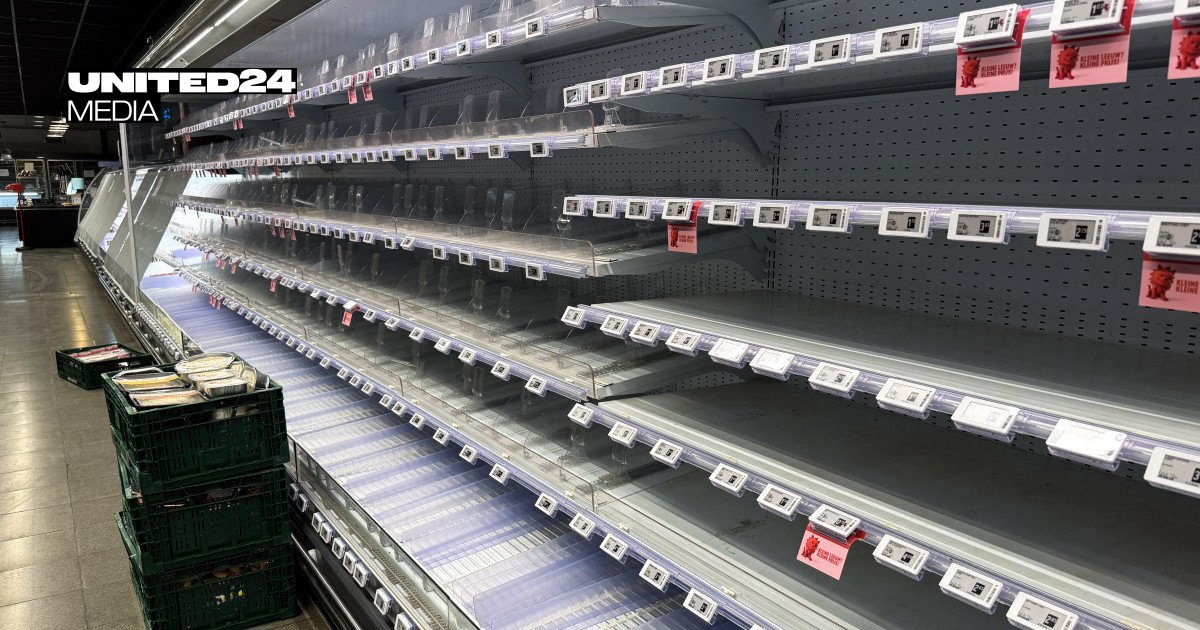
A sophisticated wave of cyberattacks has disrupted supermarket refrigeration networks across at least seven European Union countries, forcing retailers to discard large quantities of spoiled food. The incidents, which struck more than 100 stores and businesses, highlight mounting vulnerabilities as critical commercial infrastructure increasingly relies on internet-connected management systems.
A Continental Disruption
Countries affected by the coordinated tampering include Sweden, Finland, Ireland, Belgium, Luxembourg, Estonia, and the Netherlands. Retailers across the region reported sudden, unauthorized spikes in refrigeration and freezer temperatures. In Sweden, major chains such as Coop and ICA experienced widespread disruptions, with temperatures in some units climbing dramatically. Anadolu Agency reported that a freezer at an ICA store on the island of Öland reached 55°C, completely spoiling its contents, while another location recorded 50°C.
Similar issues surfaced in Belgium, where an overnight IT incident impacted systems at roughly 15 Carrefour locations, alongside stores operated by Delhaize, Spar, and other regional retailers. In Ireland, the Musgrave Group reported that refrigeration equipment at 13 SuperValu stores malfunctioned, necessitating the removal of chilled and frozen merchandise. Meanwhile, public broadcaster Yle noted that Finnish retailer Kesko detected anomalous temperature readings across multiple smaller K-food stores, noting that the affected hardware operated outside centralized security perimeters.
In Estonia, unauthorized access allowed attackers to manipulate a computer managing refrigeration equipment at a Selver supermarket, driving temperatures up to 50°C before staff detected and neutralized the breach. Across the border in Netherlands, equipment supplier Danfoss confirmed that at least 17 businesses—primarily butcher shops, neighborhood stores, and a frozen-food storage facility—were targeted overnight.
The Vulnerability of Connected Infrastructure
Security analysts point to the widespread adoption of internet-connected refrigeration controllers as the root of the crisis. Modern commercial freezers are rarely standalone units; instead, they are integrated into complex centralized systems managed by automated controllers. These interfaces allow technicians to monitor operational data, diagnose mechanical faults, and adjust temperature parameters remotely, optimizing energy efficiency and streamlining compliance with food safety logging requirements.
However, convenience has frequently come at the expense of cybersecurity. Investigators noted that many of the compromised units relied on remote-control technology with lax security configurations, including default passwords and unsecured network exposure. In some cases, attackers were able to log in, disable automated warning alarms, activate manual defrost cycles or heating elements, and alter access credentials to block remote remediation.
This latest European incident follows a remarkably similar cyberattack that struck roughly 700 supermarkets in France just three weeks prior. That earlier wave also saw remote actors push commercial refrigeration units past 50°C, resulting in extensive inventory losses and localized fires. Security researchers analyzing the French breaches noted that many targeted devices utilized legacy software versions or older hardware models that had reached the end of their supported lifecycles and no longer received vital security patches.
Why are supermarket freezers online
Probably provides realtime data of temps to a server for monitoring, after hour alerts, etc. But you bring up a good point on how to fix this problem.
Industry observers have questioned the necessity of tying environmental controls directly to the public internet, suggesting that isolated local networks or hardwired analog fail-safes could prevent widespread remote interference.
They should just be hooked up to their alarm as a zone that goes into alert if they go above a certain temperature, but with no ability to manipulate the temperature. The store manager would have to get off his ass and see what's going on if a freezer failed.
Unresolved Motives and Broader Risks
As of yet, no individual group or state actor has claimed responsibility for the cross-border freezer tampering, and investigators have not formally established a motive. The sophisticated nature of the disruption, however, has drawn uneasy comparisons to state-backed digital campaigns targeting supply chains and logistics networks in other parts of Europe.
It's targeted disruption from a hostile nation. Attack the food of a nation and see how quickly paranoia rises.
While investigations continue, the incidents serve as a stark warning regarding the security posture of everyday commercial infrastructure. As retail operations lean further into automation and remote management, the failure to secure foundational equipment against digital intrusion threatens not only corporate supply chains, but the daily stability of basic consumer goods.

