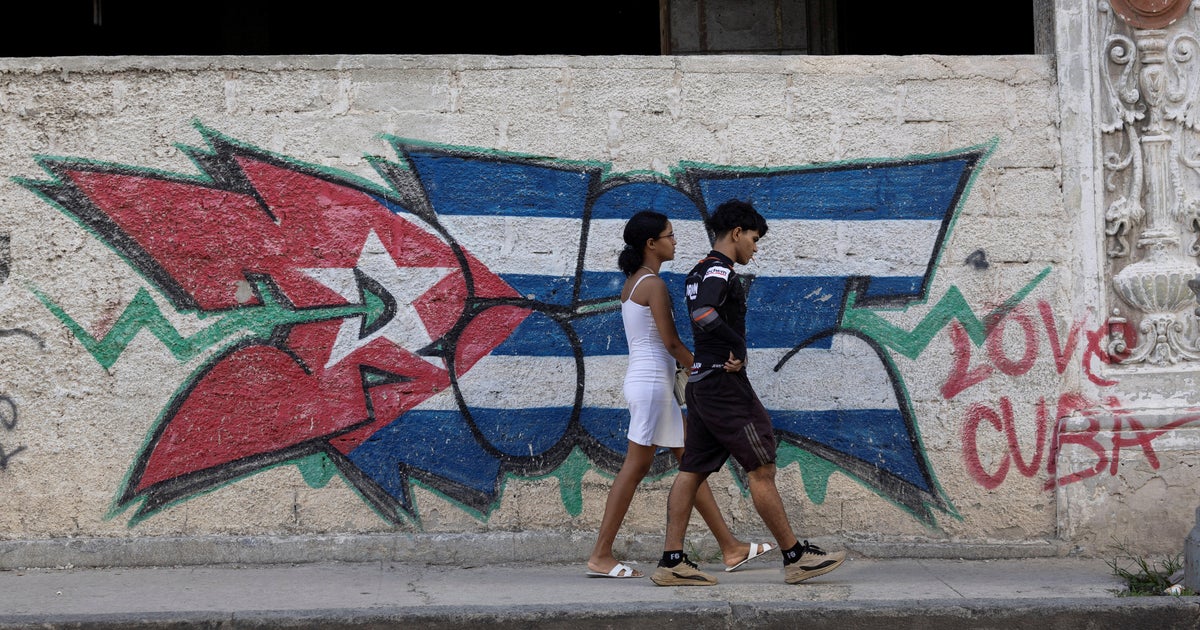
In an overt public appeal to citizens living under Cuba's communist government, U.S. Secretary of State Marco Rubio called on Cubans seeking "positive change" to establish contacts with the CIA. The announcement signals an intensifying push by the Trump administration to dismantle the island's long-standing regime amid worsening economic conditions across the country.
Taking to social media platform X, Rubio urged Cubans to take advantage of the current geopolitical climate to challenge state rule. "To those who seek to create positive change in Cuba - now is the time," Rubio wrote. "The disappointment of failed promises, corruption, and the privileged lives of only a few; seize this opportunity to create the change you desire through a discrete partnership with the CIA."
Shortly after Rubio's statement, the Central Intelligence Agency amplified the message by reposting it alongside a Spanish-language translation and an instructional video detailing steps for individuals to securely contact the intelligence agency.
Escalating Economic Pressures and Rhetoric
The public campaign arrives at a moment of severe humanitarian and economic strain for the island nation. A strict U.S. trade embargo alongside targeted sanctions has contributed to soaring prices for basic goods, chronic food shortages, and limited medical supplies. Cubans across the country have reported waiting in hours-long bread lines and enduring extended delays just to receive basic medical care.
The administration has continued to tighten its economic grip in recent days, imposing additional financial sanctions on Cuba's state-run bank over alleged connections to Iran. The geopolitical posturing has also featured sharp rhetoric from top leaders. Speaking at a campaign rally in South Florida, President Trump referenced U.S. Navy warships stationed near the Strait of Hormuz, linking military positioning to policy goals in the Caribbean.
"Those beautiful ships will pass Cuba. We'll have one of them stop about 50 yards off the coast," Trump stated during the rally. "They'll raise up their hands, and then we're going to send Marco Rubio in to finish up the deal."
Havana Rejects Foreign Interference
Cuban officials responded swiftly to the statements, framing the U.S. appeal as an explicit attempt at foreign meddling and regime change. Foreign Minister Bruno Rodríguez Parrilla rejected the warnings and issued a sharp response online.
"We reject any threats stemming from U.S. ambitions toward Cuba," Rodríguez Parrilla stated. "Our shores are lined with beautiful beaches, but they are also rugged and inhospitable to those who arrive with hostile intentions and a desire for domination."
Historical Echoes and Public Skepticism
The public nature of the CIA's recruitment call has drawn mixed reactions, with many drawing parallels to decades of complex U.S.-Cuba relations. Observers and critics noted that open intelligence appeals carry significant personal risks for local populations, recalling historical conflicts such as the 1961 Bay of Pigs invasion.
Highlighting historical precedents, one reaction pointedly noted: "The last time the Cubans worked for the CIA didn’t go too well for the Cubans."
Others expressed skepticism over the strategy of publicly advertising covert recruitment efforts, with another observer remarking: "ah yes, put the government you're trying to overthrow on even higher alert for espionage. what a masterful move"
As economic pressure mounts and diplomatic relations remain deeply strained, the administration's aggressive posture signals that Washington intends to keep Havana at the center of its foreign policy agenda.

