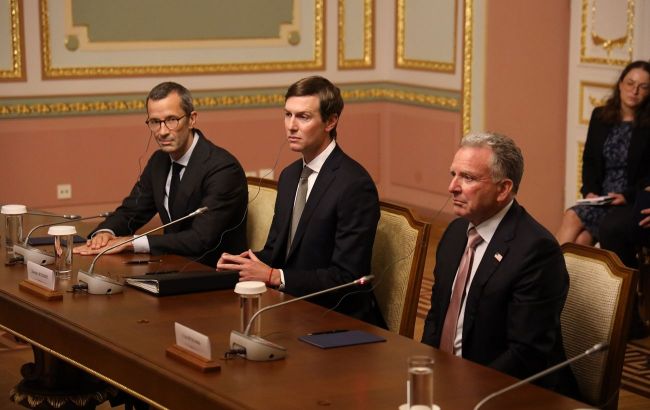
The United States has reignited discussions about resuming Russian gas supplies to Europe through Ukraine, a move that has sparked intense debate and criticism from various quarters. The proposal, initially put forward by Trump's special envoys Steve Witkoff and Jared Kushner during their visits to Kyiv and Moscow in September, suggests selling Russian gas through an American intermediary, bypassing European sanctions. This plan, aimed at creating lucrative opportunities for US investors, has raised eyebrows across Europe and beyond.
The Proposal and Its Implications
The idea is to allow Russia to regain access to the European natural gas market, which could incentivize Russian President Vladimir Putin to agree to a broader peace deal. Additionally, it would provide Ukraine with much-needed revenue from fees and transit payments. However, the proposal comes with significant strings attached. The US has suggested that Russia deposit the proceeds from gas sales into an escrow account in a third-country jurisdiction to prevent the Kremlin from using the funds to finance the war.
Despite these safeguards, the plan has been met with skepticism and outright rejection from European leaders. Under EU legislation, all purchases of Russian gas must be phased out by the end of 2027, and leaders of Europe's largest countries have expressed no interest in rekindling their dependence on a nation they view as a strategic threat.
European Reaction and Ethical Concerns
European officials have been vocal in their opposition. A senior official from a Scandinavian country described the proposal as counter to European values, while another from a major European country likened it to Neville Chamberlain's appeasement of Hitler. The European Commission has also reaffirmed that the Nord Stream gas pipeline will not resume operations after the war in Ukraine, emphasizing the EU's commitment to rejecting Russian gas.
Critics argue that the proposal would not only undermine European energy security but also force Ukraine to help Russia generate revenue while its cities are under attack. One commentator noted, 'It would be a completely stupid deal for Europe to import gas from Russia again.'
Geopolitical and Domestic Fallout
The US push has also highlighted broader geopolitical tensions and domestic political dynamics. Many view the proposal as a self-serving move by the Trump administration, with one commentator stating, 'The US works for Russia. We should get as far away from oil as possible.' Others have pointed to the personal financial interests of key figures, such as Kushner, who has been criticized for his lack of experience and credentials in international negotiations.
Domestically, the proposal has fueled accusations of corruption and hypocrisy. Critics argue that the US is prioritizing its own financial gain over global stability and ethical considerations. One commenter remarked, 'The US doesn’t determine how the world works,' while another added, 'The US has made it abundantly clear it doesn’t respect the EU or want much to do with it.'
The Road Ahead
As trilateral talks between Ukraine, the US, and Russia loom, the fate of this proposal remains uncertain. While the US sees it as a potential lever for peace, Europe's staunch opposition suggests that the plan may never come to fruition. The episode has underscored the complexities of global energy politics and the challenges of balancing economic interests with ethical and strategic imperatives.
In the words of one European commentator, 'Europe will grow politically mature, by seeing the real nature of the transatlantic alliance.' Whether this marks a turning point in US-EU relations or merely another chapter in a long history of geopolitical maneuvering remains to be seen.

